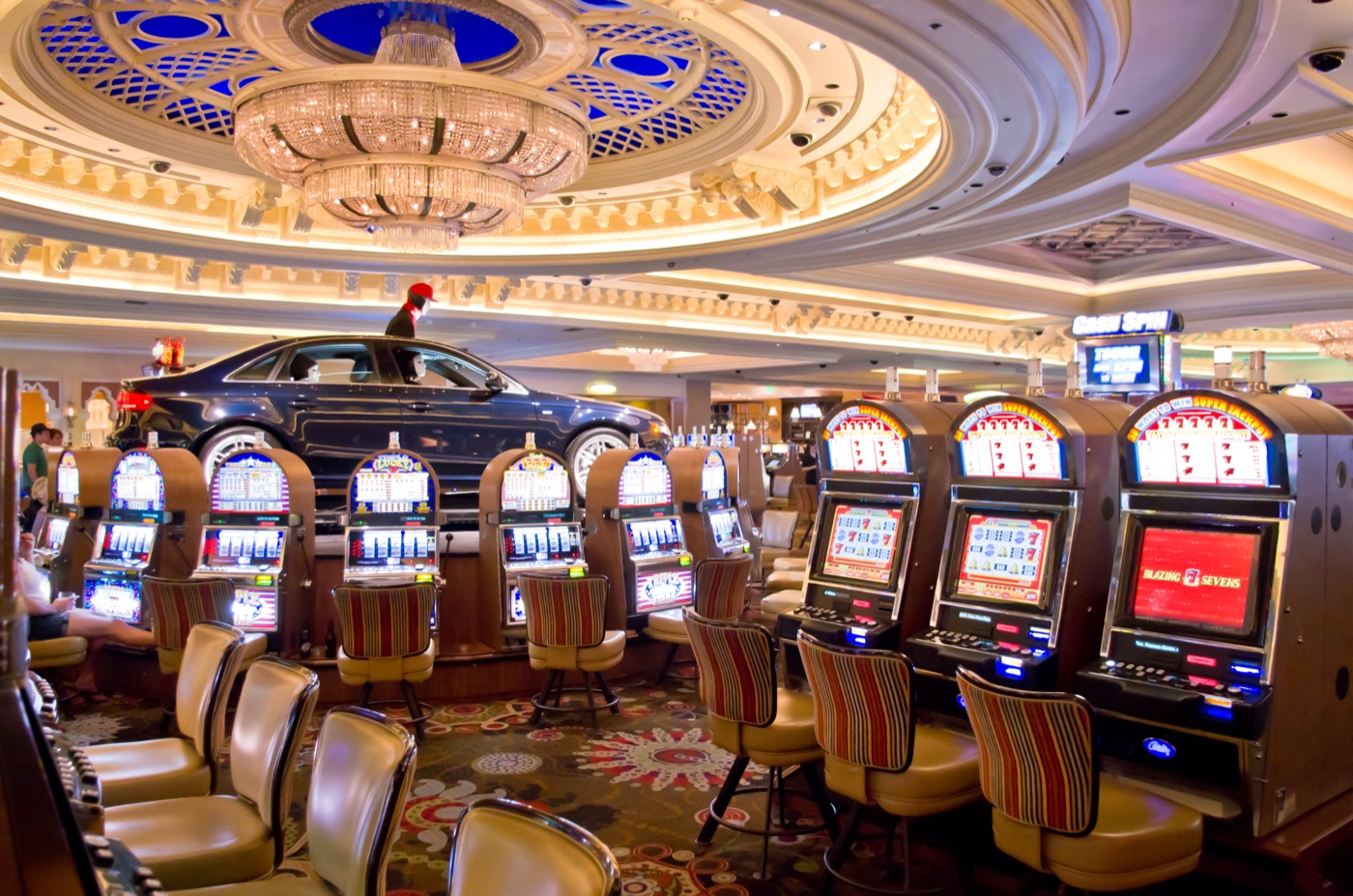
Quick Answer
A progressive slot is a game whose top prize isn't fixed - a portion of every real-money bet placed on it feeds a jackpot pool that keeps climbing until a player triggers it, at which point it resets to a seed amount and starts growing again. That's different from a standard slot's fixed max win, which pays the same top prize every time. Progressive jackpots can be standalone (tied to one machine or casino), local (linked across one operator's network), or wide-area (linked across many casinos at once, which is how titles like Mega Moolah build eight-figure prizes).
Every slot has a story about the one that got away - a jackpot that just kept climbing. That's the entire premise of a progressive slot: instead of paying the same fixed top prize every time, the jackpot itself grows with every bet placed until someone wins it. Here's exactly how that works, where the format came from, and the biggest jackpots it's ever produced.
What Makes a Slot "Progressive"?
On a standard slot, the maximum possible win is fixed - the same top prize whether it's the game's first spin ever or its ten-millionth. A progressive slot works differently: a small portion of every real-money bet placed on that game gets added to a running jackpot pool instead of going toward the base-game prize pool. That pool climbs continuously, sometimes for weeks or months, until a player triggers it - usually by landing a specific symbol combination, though some titles award it randomly. Once it's won, the pool resets to a seed amount and starts growing all over again. You can usually spot a progressive machine by the jackpot ticker built into its display, climbing in real time as other players spin.
A Short History: Megabucks and the First Wide-Area Jackpot
Progressive slots as most players know them today trace back to March 1986, when IGT launched Megabucks in Nevada - the first wide-area linked progressive slot system, connecting machines across multiple casinos into a single shared jackpot rather than confining it to one location. Megabucks debuted with a $1 million base jackpot, an enormous number for the time, and the format proved so popular that wide-area linking became the template every major progressive network has followed since, from Megabucks itself through to online-era titles like Mega Moolah.
How the Jackpot Actually Grows
The mechanics are the same whether it's a physical machine or an online slot: every real-money wager splits between the base-game prize pool, the operator's revenue, and a small contribution to the progressive jackpot. That jackpot contribution accumulates independently of anything happening in the base game - it doesn't matter whether individual spins are winning or losing, the jackpot pool keeps climbing on volume of play alone. That's also why progressive jackpots can sit unclaimed for extended stretches during quiet periods, then suddenly jump if a title has a burst of popularity.
Standalone, Local, and Wide-Area Progressives
Not all progressives operate at the same scale. A standalone progressive pools bets from a single machine or a single casino - smaller prizes, but they build and get won considerably faster since a much smaller pool of players is contributing to (and competing for) the same jackpot. A local progressive links several machines or games within one operator's own network. A wide-area progressive links the same game across dozens or even hundreds of casinos simultaneously, pooling a vastly larger player base into one prize - it's the only format capable of the eight-figure jackpots titles like Mega Moolah are known for, precisely because so many players across so many casinos are feeding the same pool at once.
The Biggest Progressive Jackpot Wins Ever
The record for the largest jackpot ever paid on a physical slot machine still stands over two decades later: $39,713,982.25, won on an IGT Megabucks machine at the Excalibur in Las Vegas on March 21, 2003, by an anonymous 25-year-old software engineer who'd been playing around $100 when the symbols lined up. It remains the Guinness World Record for the largest slot machine payout in history. Online, the record belongs to Microgaming's Mega Moolah network - specifically its Absolootly Mad jackpot, which paid out €19,430,723.60 in 2021, the largest verified online slot win ever recorded. And these jackpots are still hitting: in June 2025, a UK player won £11,498,211.89 on Mega Moolah at Betfred, a reminder that wide-area progressives keep paying out large sums well into the current decade, not just during their 2000s and early-2010s heyday.
What to Check Before You Chase One
The detail most players miss: on many progressive slots, simply playing the game isn't enough to be eligible for the jackpot itself. Each title sets its own qualifying bet - sometimes the maximum wager, sometimes a lower fixed threshold - and betting below that line still gives you the full base game and any other bonus features, just not a shot at the jackpot round. We've verified three progressive jackpot slots so far, each with a different qualifying bet, on our progressive jackpot slots page - it lists exactly what each one requires and where to play them, alongside a deeper breakdown of standalone versus network jackpots.
Common Myths About Progressive Slots
A few misconceptions come up often enough to address directly. A jackpot isn't "due" just because it's grown large relative to its usual size - each spin is an independent event decided by the same licensed RNG regardless of how long the pool has been climbing, so a jackpot that's sat unclaimed for months is no more or less likely to hit on your next spin than it was on day one. Betting bigger also doesn't improve your odds of triggering the jackpot beyond simply meeting the qualifying bet - once you clear that threshold, your odds per spin are the same as anyone else clearing it. And a growing jackpot number doesn't mean the base game's RTP is dropping in real time; the jackpot contribution is baked into the game's published RTP from the start, not adjusted on the fly.
Progressive slots offer something a fixed-jackpot title structurally can't: a genuinely uncapped top prize that grows for as long as it goes unclaimed. That's a real draw, but it comes with real fine print - qualifying bets, a marginally lower base RTP on many titles, and odds on the jackpot itself that are separate from (and much longer than) the base game's. Know what you're actually eligible for before you chase one, and treat the jackpot as a bonus on top of a game you'd enjoy anyway, not the only reason to play it.